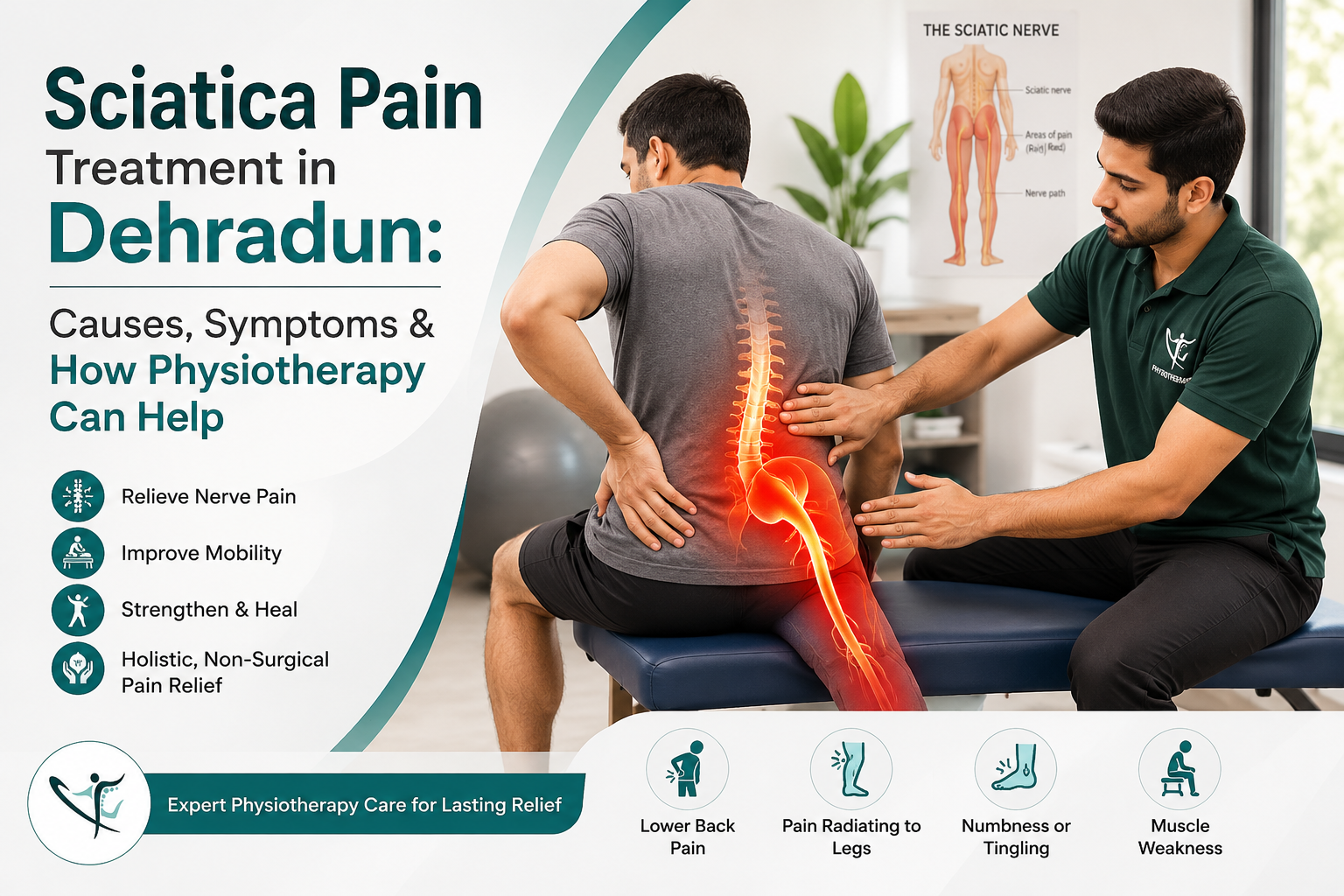
Sciatica is a common condition that leads to pain, tingling, numbness, or weakness along the sciatic nerve. The pain usually starts in the lower back and spreads through the hips, buttocks, and down one leg. For many, sciatica can disrupt daily activities, work, and overall quality of life. Fortunately, with a timely diagnosis and appropriate treatment, most patients can find significant relief and return to their normal routine.
If you want to find a skilled sciatica doctor in Dehradun, knowing the causes, symptoms, and treatment options is a good first step toward recovery.
What Is Sciatica?
Sciatica is not a disease but a symptom of a condition affecting the sciatic nerve, which is the largest nerve in the body. This nerve begins in the lower spine and travels through the hips, buttocks, and down each leg.
When the sciatic nerve is compressed, irritated, or inflamed, it can cause pain and other symptoms along its path. The severity of these symptoms can range from mild discomfort to severe, debilitating pain.
Common Causes of Sciatica
Several spinal and musculoskeletal conditions can compress the sciatic nerve. Some common causes include:
Herniated or Slipped Disc
A bulging or herniated disc in the lower spine can press against the sciatic nerve and cause pain and inflammation.
Degenerative Disc Disease
Age-related wear and tear of spinal discs can lessen cushioning between vertebrae and increase pressure on nearby nerves.
Spinal Stenosis
Narrowing of the spinal canal can compress the sciatic nerve roots, especially in older adults.
Piriformis Syndrome
The piriformis muscle, located deep in the buttocks, can irritate the sciatic nerve when it tightens or becomes inflamed.
Spondylolisthesis
This happens when one vertebra slips over another, which can compress nerve roots.
Sports Injuries and Trauma
Accidents, falls, or sports injuries can impact the lower back and trigger sciatica symptoms.
Symptoms of Sciatica
The symptoms of sciatica can differ based on the severity and location of nerve compression. Common signs include:
- Sharp, shooting pain from the lower back to the leg
- Pain on one side of the body
- Tingling or “pins and needles” feeling
- Numbness in the leg or foot
- Muscle weakness in the affected leg
- Pain that worsens while sitting
- Difficulty standing or walking for long periods
- Burning feeling along the nerve pathway
In severe cases, symptoms may limit mobility and daily activities, making it essential to seek professional evaluation.
Who Is at Risk of Developing Sciatica?
Certain factors can heighten the chance of developing sciatica:
- Prolonged sitting
- Poor posture
- Obesity
- Sedentary lifestyle
- Physically demanding jobs
- Repetitive lifting and bending
- Age-related spinal degeneration
- Previous lower back injuries
Knowing these risk factors can help individuals take steps to prevent sciatica and seek treatment early.
How Is Sciatica Diagnosed?
A healthcare professional or physiotherapist usually starts with a detailed medical history and physical examination. During the assessment, they may check:
- Pain location and intensity
- Muscle strength
- Range of motion
- Reflexes
- Walking pattern and posture
Sometimes, imaging tests like X-rays, MRI scans, or CT scans may be needed to find the exact cause of the nerve compression.
How Physiotherapy Helps in Sciatica Treatment
Physiotherapy is one of the most effective non-surgical ways to manage sciatica. Instead of just masking symptoms, physiotherapy targets the root cause of the issue and promotes long-term recovery.
Pain Relief
Physiotherapists use various methods to reduce pain and inflammation, including:
- Manual therapy
- Soft tissue mobilization
- Therapeutic exercises
- Electrotherapy methods
- Heat and cold therapy
These treatments relieve pressure on the sciatic nerve and improve comfort.
Improved Mobility and Flexibility
Sciatica often causes stiffness in the lower back, hips, and legs. Specific stretching exercises can enhance flexibility and restore normal movement.
Strengthening Core and Back Muscles
Weak core muscles can put extra stress on the spine. Physiotherapy focuses on strengthening the:
- Core muscles
- Lower back muscles
- Hip stabilizers
- Gluteal muscles
Stronger supportive muscles can help lower the chances of recurrence and improve spinal stability.
Posture Correction
Poor posture can contribute to lower back pain and sciatica. Physiotherapists assess posture and teach corrective techniques to lessen pressure on the spine and sciatic nerve.
Prevention of Recurrence
One key benefit of physiotherapy is long-term prevention. Patients learn proper body mechanics, ergonomic practices, and exercises they can do at home to maintain spinal health.
Exercises Commonly Recommended for Sciatica
A tailored exercise plan is vital since every patient has unique needs. Some commonly recommended exercises include:
- Pelvic tilts
- Knee-to-chest stretches
- Hamstring stretches
- Piriformis stretches
- Core strengthening exercises
- McKenzie extension exercises
- Walking programs
Note: It’s crucial to perform these exercises under professional supervision to prevent worsening symptoms.
When Should You Seek Professional Help?
While mild cases may improve with rest and changes in activity, you should see a professional if you experience:
- Persistent pain lasting more than a few weeks
- Severe pain in the lower back or leg
- Increased numbness or weakness
- Difficulty walking
- Symptoms affecting daily tasks
- Recurring episodes of sciatica
Early intervention often leads to faster recovery and lessens the risk of chronic issues.
Why Choose Bhavya Clinic for Sciatica Treatment in Dehradun?
At Bhavya Clinic, patients receive tailored physiotherapy focused on identifying and treating the root causes of sciatica. Led by Dr. Kamal Jaiswal, who has over 15 years of clinical experience, the clinic offers rehabilitation programs designed to reduce pain, improve mobility, and aid long-term recovery.
As a trusted physiotherapy center in Dehradun, Bhavya Clinic provides quality care for orthopedic, neurological, and sports-related issues. The team is committed to offering compassionate, patient-centered treatment that helps individuals regain confidence, movement, and a better quality of life.
Whether you’re searching for a sciatica doctor in Dehradun or effective sciatica treatment, professional physiotherapy can help you recover naturally and safely.
Conclusion
Sciatica can significantly impact your day-to-day life, but effective treatments are available. Understanding the causes and symptoms allows for early diagnosis and timely intervention. Physiotherapy remains one of the best options for reducing pain, restoring mobility, and preventing future episodes.
If you’re dealing with ongoing lower back or leg pain, getting expert guidance can make a big difference in your recovery. With a personalized treatment plan and professional care, most people can return to an active, pain-free lifestyle and achieve long-term relief from sciatica symptoms.